Chiaki Sekiguchi
Tokyo ViceChiaki Sekiguchi is a police officer whose loyalty to Jake Adelstein combines personal friendship with unsparing professional counsel. A former member of the Anti–Organized Crime Task Force in Saitama Prefecture, he accompanies Adelstein into a threatening meeting and later urges him to withdraw from immediate danger without abandoning the story. The book’s dedication credits Sekiguchi with teaching Adelstein what it means to be honorable, making his guidance a measure of the journalist’s own conduct.
Identity and Introduction
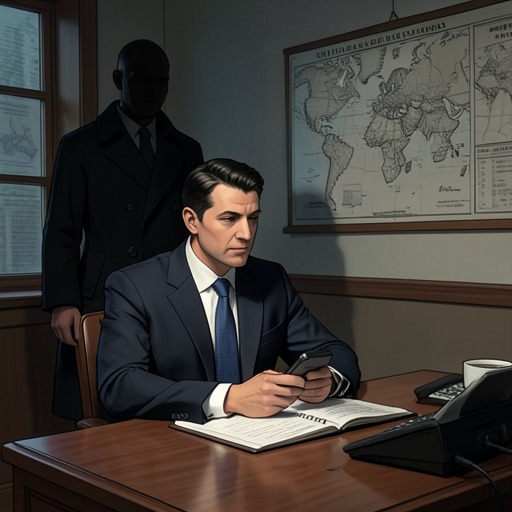
Sekiguchi is introduced as a low-ranking cop formerly assigned to the Anti–Organized Crime Task Force in Saitama Prefecture. Adelstein describes him as thickset, slightly taller than himself, with deep-set eyes and a 1950s-style Elvis haircut. People often mistake him for a yakuza; Adelstein imagines that, had Sekiguchi taken that path, he could have become a respected crime boss. The contrast between his appearance and his work underscores how easily outward signs can mislead, while his police service and friendship establish where his loyalties lie.
Adelstein calls Sekiguchi a great cop, a good friend, and a mentor in many ways. When the journalist faces a meeting with one of Tadamasa Goto’s enforcers, Sekiguchi volunteers to accompany him as backup. His presence is both practical protection and a sign of trust: he goes with Adelstein, but does not take the decision out of his hands.
The Meeting and Its Aftermath
During the meeting, Adelstein glances toward Sekiguchi for guidance. Sekiguchi raises his eyebrows, tilts his head, and shrugs. The small gesture communicates that he will offer no further advice in the room; Adelstein must decide for himself. After the enforcer warns the journalist to leave Japan, Sekiguchi stays with him. When Adelstein asks whether he did the right thing, Sekiguchi puts a hand on his shoulder and reassures him that he made the only choice available to him.
Sekiguchi walks Adelstein out of the hotel, and the two take a taxi to a coffee shop in Shinjuku. There, he makes the danger plain: no story is worth the journalist’s life or his family’s, and choosing not to become a martyr is not cowardice. His counsel recognizes both the immediate threat and the responsibilities beyond the newsroom. Rather than praising reckless defiance, he treats survival as a condition of continuing the work.
Retreat as Strategy
Sekiguchi advises Adelstein to leave the newspaper if necessary and to retreat from the confrontation. He judges the opposing organization far more dangerous than other crime groups familiar to the journalist, and warns that the truce is unlikely to last: its members will not forget the encounter. He also points to the unexplained importance of Tadamasa Goto’s liver transplant in the United States as evidence that the story touches something Goto has strong reasons to keep hidden.
But Sekiguchi distinguishes retreat from surrender. He urges Adelstein to keep investigating, even if that means waiting a year or two, and to discover what Goto fears becoming public. Knowledge, he argues, could give the journalist leverage, but it must be used carefully. His advice turns the immediate defeat of having to back away into a longer plan: preserve his life, learn what is at stake, and return to the story with a better chance of acting on it.
Mentorship and Legacy
Sekiguchi’s mentorship is expressed through both restraint and intervention. At the hotel he leaves Adelstein to choose; afterward he steadies him, names the risks, and offers a strategy for continuing. He neither romanticizes the danger nor dismisses the journalist’s calling. Instead, he places professional purpose alongside the lives of Adelstein’s family and insists that protecting them does not make him a coward.
The dedication to Sekiguchi identifies him as the person who taught Adelstein what an honorable man could be, while acknowledging that the narrator is still trying to live by that lesson. This framing extends Sekiguchi’s role beyond a single crisis: his practical counsel becomes part of the book’s ethical standard for journalism, in which courage means neither courting death nor abandoning the truth, but knowing when to draw back so the work can continue.